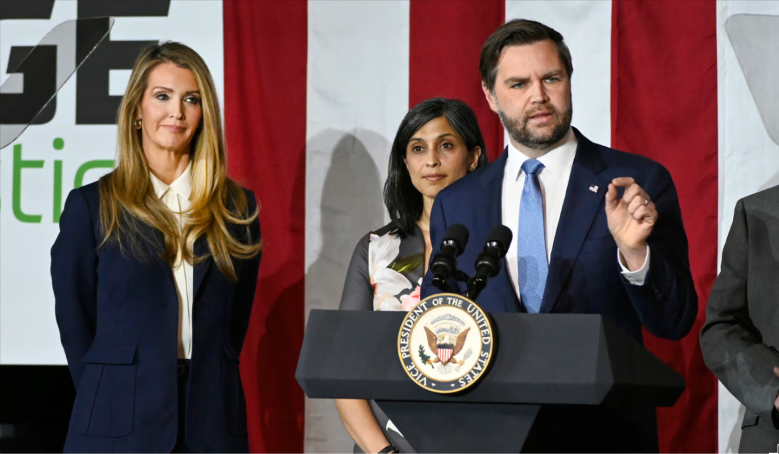

Calls for the federal government to get out of the student loan business have surfaced periodically, particularly among Republicans. This has escalated as President Trump mentioned the Small Business Administration should take over the student loan portfolio.
The Department of Education chapter in the Project 2025 document proposes reviving the old Federal Family Education Loan (FFEL) program to “privatize all lending programs, including subsidized, unsubsidized, and PLUS loans (both Grad and Parent).”
Advocates argue that privatization would introduce market-driven accountability, pricing and consumer choice into higher education financing, while redefining the federal government’s role as a guarantor rather than a direct lender.
But, is a return to FFELP a practical and effective solution?
History Of The FFEL Program (Private-Federal Partnership)
Before its discontinuation on June 30, 2010, the FFEL program enabled private lenders — including banks, credit unions and other financial institutions — to make federal student loans guaranteed by the federal government. These guarantees covered defaults, with guarantee agencies stepping in to purchase defaulted loans on behalf of the U.S. Department of Education. Additionally, lenders received special allowance payments to ensure a market rate of return.
At its peak, the FFEL program disbursed $63.8 billion in new federal loans during the 2008–2009 academic year. By 2010, outstanding FFEL loans totaled $516.7 billion, spread across 25.1 million borrowers. Since the program’s discontinuation, the portfolio has steadily declined as borrowers repay, discharge, or default on loans.
Today, $165.4 billion in FFEL loans to 7.3 million borrowers remain outstanding, of which $65.8 billion to 2.4 million borrowers is still held by commercial lenders.
In comparison, the rest of the federal student loan portfolio now consists of $1.47 trillion in Direct Loans owed by 38.2 million borrowers, alongside nearly $100 billion in FFEL loans owned or managed by the government.
The Health Care and Education Reconciliation Act of 2010 shifted all new federal education loans to the William D. Ford Federal Direct Loan Program starting on July 1, 2010.
Federal Student Loans Are Operated At A Loss
It’s important to note that the U.S. Government loses money on student loans.
Currently, only Parent PLUS loans generate a net profit for the federal government based on program costs as calculated under the Federal Credit Reform Act of 1990. Even these loans operate at a loss when assessed under Fair Value Accounting standards.
As a whole, the federal student loan portfolio loses money. Several factors contribute to the overall losses:
- Below-market interest rates on federal loans.
- Loans are made without regard to a borrower’s future ability to repay the debt.
- Subsidies embedded in income-driven repayment plans, which can reduce loan obligations by as much as 63%.
- Financial impacts of the pandemic-era payment pause and interest waiver.
Claims that privatization would save money primarily stem from eliminating federal student loan forgiveness and discharge programs and from eliminating outlays from specific loan programs, not from operational efficiencies.
Benefits Of Privatization
Privatizing federal student loans could offer several advantages:
Disadvantages Of Privatization
However, privatizing student loans is not without its downsides:
- Reduced Access for Higher-Risk Borrowers: Private lenders may restrict access for borrowers with poor credit or those attending less-selective institutions, potentially requiring creditworthy cosigners or charging higher interest rates and fees.
- Fewer Repayment Options: Many private lenders do not offer flexible repayment plans like income-driven repayment and graduated repayment. They may also offer fewer deferment and forbearance options.
- Elimination of Loan Forgiveness Programs: Borrowers would likely lose access to forgiveness and discharge benefits. They will be expected to repay their student loans in full.
- Higher Costs for the Federal Government: Selling federal loans to private entities would require financial incentives, such as guarantees or subsidies, to make the loans attractive to private lenders.
- Administrative Challenges: Transitioning to privatization would be logistically complex, akin to the disruptions caused by the pandemic-era payment pause.
- Decentralized Borrowing: Borrowers would lose access to a unified system like the NextGen student loan servicing platform, making loan management more fragmented.
Practical Considerations
Congress is unlikely to approve legislation to privatize federal student loans, as such a move would not reduce the federal budget deficit. Furthermore, backlash from borrowers and advocacy groups concerned about college access, affordability and borrower protections could hinder privatization efforts.
The process itself would be administratively burdensome and could mirror the complexities seen during the restart of federal loan repayment after the pandemic.
Who’s To Blame For The Student Loan Crisis?
- A look into the four main drivers of the student loan crisis, including the government, colleges, and borrowers.
- Ideas on how to reform and improve the existing student loan system.
How Could Privatizing The Existing Student Loan Program Work?
Privatizing student loans could involve selling the existing Direct Loan and federally-held FFEL portfolios to private lenders, while reinstating the FFEL program for new loans. However, this approach would not amount to full privatization, as loans would still operate under their existing federal terms and conditions (i.e. the loan agreement).
Most private lenders lack the appetite to take on federal loans, even with guarantees and subsidies.
Private lenders may also lack both the financial capacity and administrative capacity to acquire the loan portfolio. The FFEL portfolio, which was never more than a third the size of the current Direct Loan portfolio, was funded through a combination of incremental bond issues and securitizations through the capital markets.
If a private lender were to acquire the Direct Loan portfolio (or parts of it), it’s likely they would contract with the existing loan servicers to provide borrower administration, as lenders themselves wouldn’t be able to ramp up a servicing organization to handle the loan portfolio. As such, borrowers would still likely work with companies like MOHELA and Advantage for their student loans.
Alternatives To Privatization
If privatization proves impractical, other approaches could be considered:
- Discounted Loan Sales: Selling loans at a discount without default guarantees could reduce federal involvement.
- Selective Forgiveness: Forgiving uncollectible loans while selling the remaining portfolio might increase its attractiveness to private buyers.
- Lower Loan Limits: Setting aggregate loan limits based on post-graduation median income could encourage borrowers to choose less costly institutions. Annual limits would be derived from the aggregate limits. Federal loan limits would no longer be based on how much the college chooses to charge. Private lenders could provide supplemental financing to lower-risk borrowers, based on the borrower’s creditworthiness and future ability to repay the debt.
This means that higher-risk borrowers might be prevented from enrolling at higher-cost colleges, since they would be unable to obtain loans to pay the cost. Instead, they might have to enroll at in-state public colleges and colleges with “no loans” financial aid policies, which tend to be less expensive.
Final Thoughts
While privatization may offer some benefits, its disadvantages and logistical challenges make it an unlikely and potentially costly solution.
Instead, targeted reforms to improve efficiency, reduce risks, and balance access with sustainability may be more practical alternatives for addressing the federal student loan system’s shortcomings.










Loading comments...
Leave a Comment(Login required)